Author: Zecharia Yakov
-
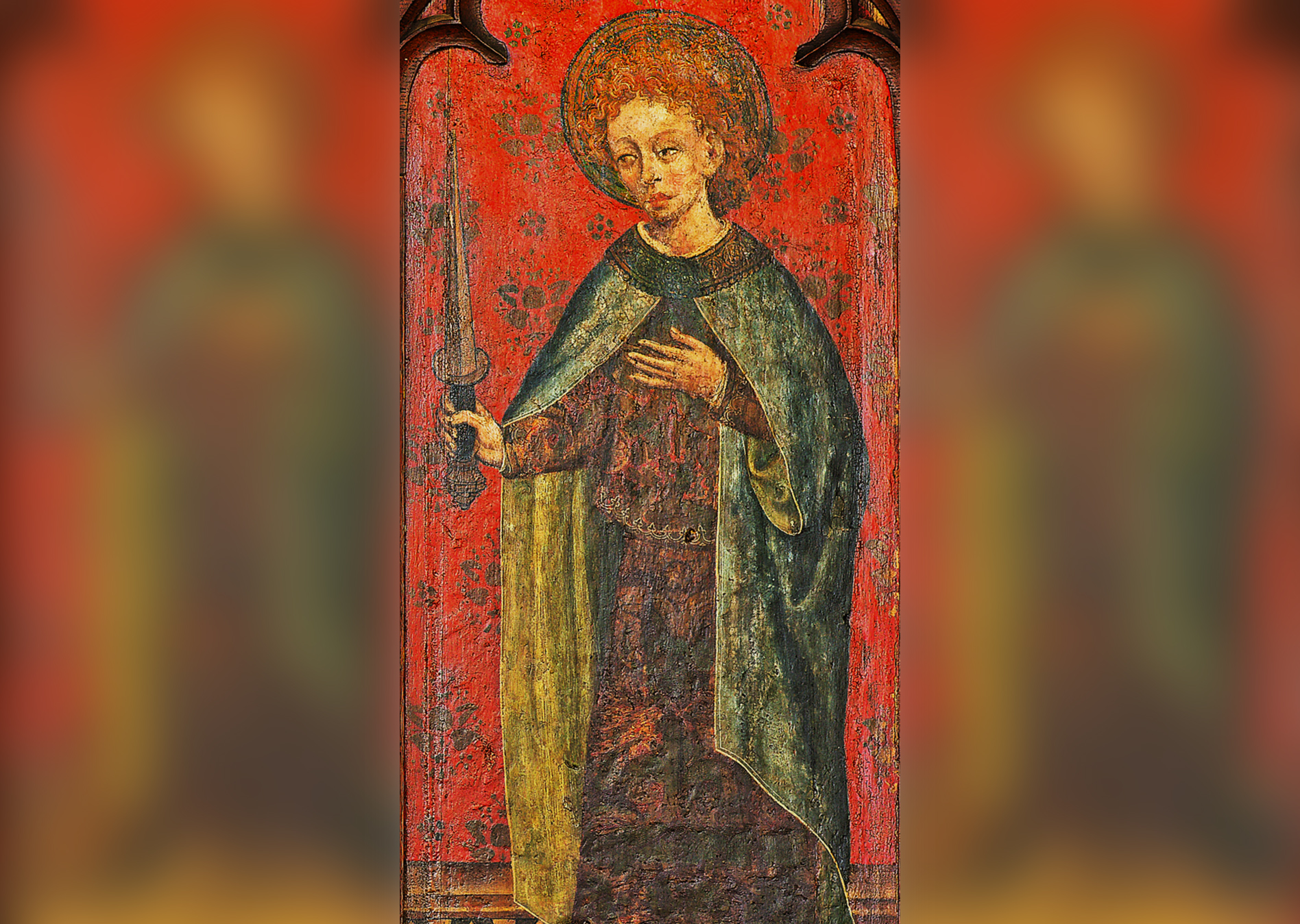
The First Blood Libel: Norwich, 1144
In 1144 Norwich, a monk’s false tale of a “ritual murder” sparked centuries of violence. Learn how one lie became the blueprint for global conspiracies.
-
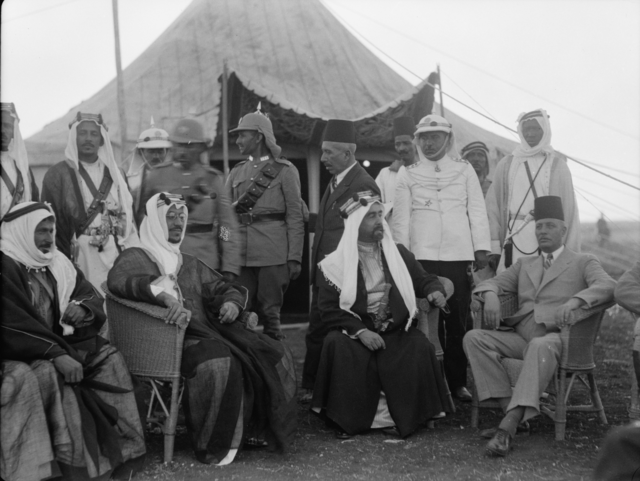
Some Arab Leaders Privately Agreed to Partition of Palestine, Extremists Refused
Before 1948, leading Arab politicians privately supported partition as the only fair solution to the Jewish–Arab conflict, but extremists silenced them, dooming hopes for coexistence.
-
Under the Magnifying Glass: Why Jews Must Be a “Light Unto the Nations”
The Jewish people live under a magnifying glass. Everything we do is amplified: the attention, the criticism, and especially the condemnation. If one Jew commits a wrong, the world treats it as though all Jews are guilty. Yet when others commit acts of terror or persecution, the outrage is selective and fleeting. If, hypothetically, Jews…
-
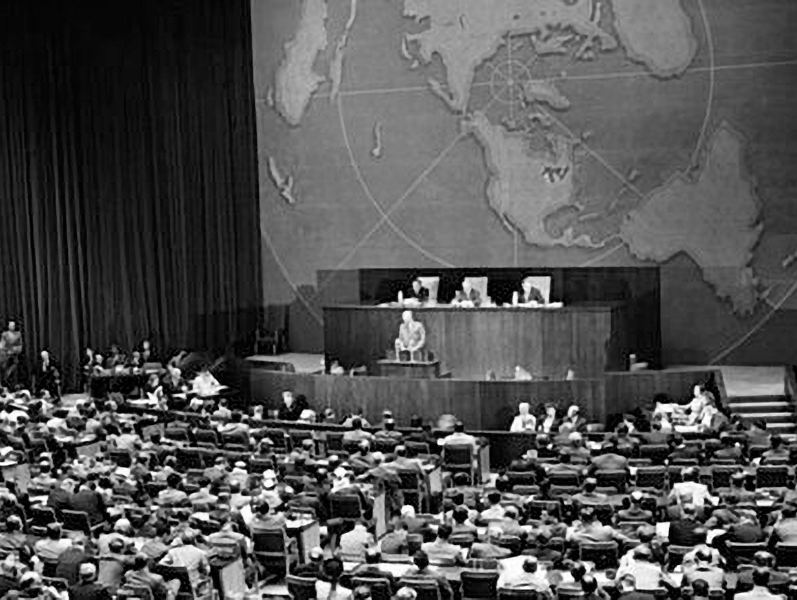
The UN’s Nakba Article Distorts the Lead-Up to War: Paragraph 2
The UN’s framing of the 1947 Partition Plan reduces decades of Arab rejectionism to a single claim of “unfairness.” In reality, that rejection continued a long-standing refusal to accept any Jewish sovereignty, even under overwhelmingly favorable terms. From the Peel Commission (1937) to the British White Paper (1939), Jewish leaders repeatedly accepted painful compromises while…
-
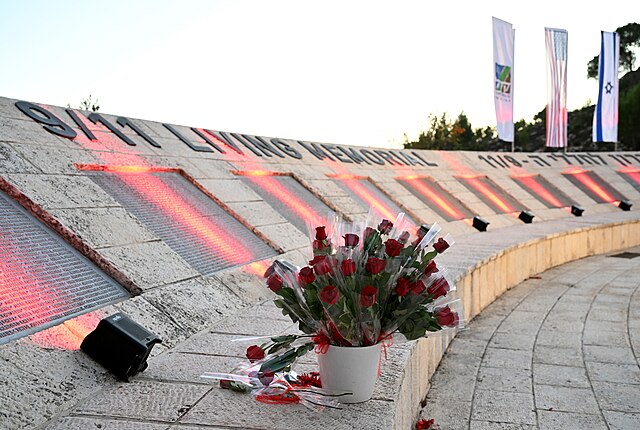
Did Israel Commit 9/11?
The September 11 attacks remain one of the most investigated events in modern history. Despite overwhelming evidence that al-Qaeda carried out the attacks, conspiracy theories persist, many targeting Israel or Jewish people. These claims are false, unfounded, and often rooted in antisemitic tropes. Here is a comprehensive breakdown of every major claim, and why the…
-
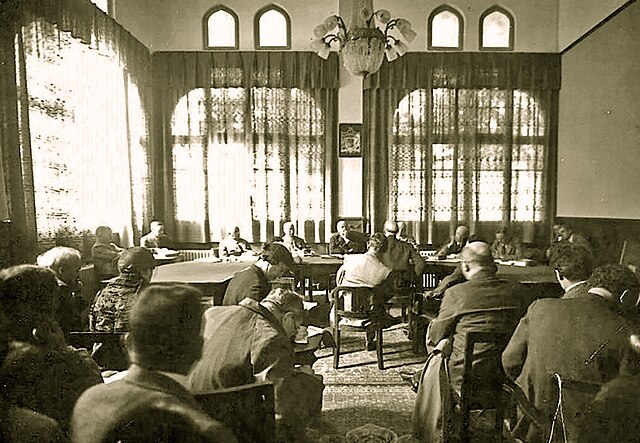
The Peel Commission, Haj Amin al-Husseini, and the Real Goal of the Arab Revolt
In 1936, a violent uprising erupted across Mandatory Palestine. Known as the Arab Revolt (1936–1939), its leaders framed it as a nationalist struggle against British colonialism and increasing Jewish immigration. But behind the rhetoric lay a more unsettling agenda, one that the British Peel Commission would later uncover when they met with the revolt’s spiritual…
-
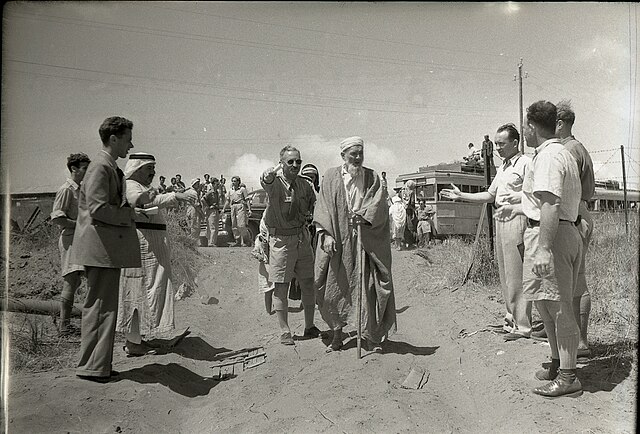
The UN’s Nakba Article Begins with Erasure: Paragraph 1
This article marks the beginning of our UN Nakba Series, examining how the United Nations’ article about the 1948 Arab–Israeli War lacks critical historical context. While the Nakba (“catastrophe”) refers to the mass displacement of Palestinians, it is frequently discussed in isolation, omitting the civil war that erupted after the 1947 UN partition vote, the…
-
Why Iran’s Next Move Could Target Americans—Not Just Israelis
With Iran vowing revenge after Israeli strikes, communities in the U.S. face growing threats—from lone-wolf attacks to Hezbollah-linked surveillance. Here’s what you need to know to stay prepared. From Tehran to Times Square: Why None of Us Are Out of Range The headlines are focused on Israel and Iran, but communities around the world—especially in…
-
Iran’s Proxies Go Quiet After June Escalation
In the wake of major U.S. and Israeli airstrikes on Iran’s nuclear infrastructure in mid-June 2025, one outcome has gone largely unnoticed: silence. Iran’s main proxy groups—Hezbollah, the Houthis, Hamas, and Iraqi militias—have refrained from retaliatory action. This lull marks a rare and unexpected shift in behavior across multiple fronts. A Timeline of Inaction What…
-
The 7 Biggest Lies About the Iran–Israel Nuclear Standoff
When it comes to Iran and Israel, the media is flooded with deflections, double standards, and outright lies. From nuclear ambitions to proxy wars and public protests, the truth often gets buried under spin. Let’s break down the seven most dangerous myths—and what the facts actually show. “Iran isn’t trying to build a nuclear weapon.”…