
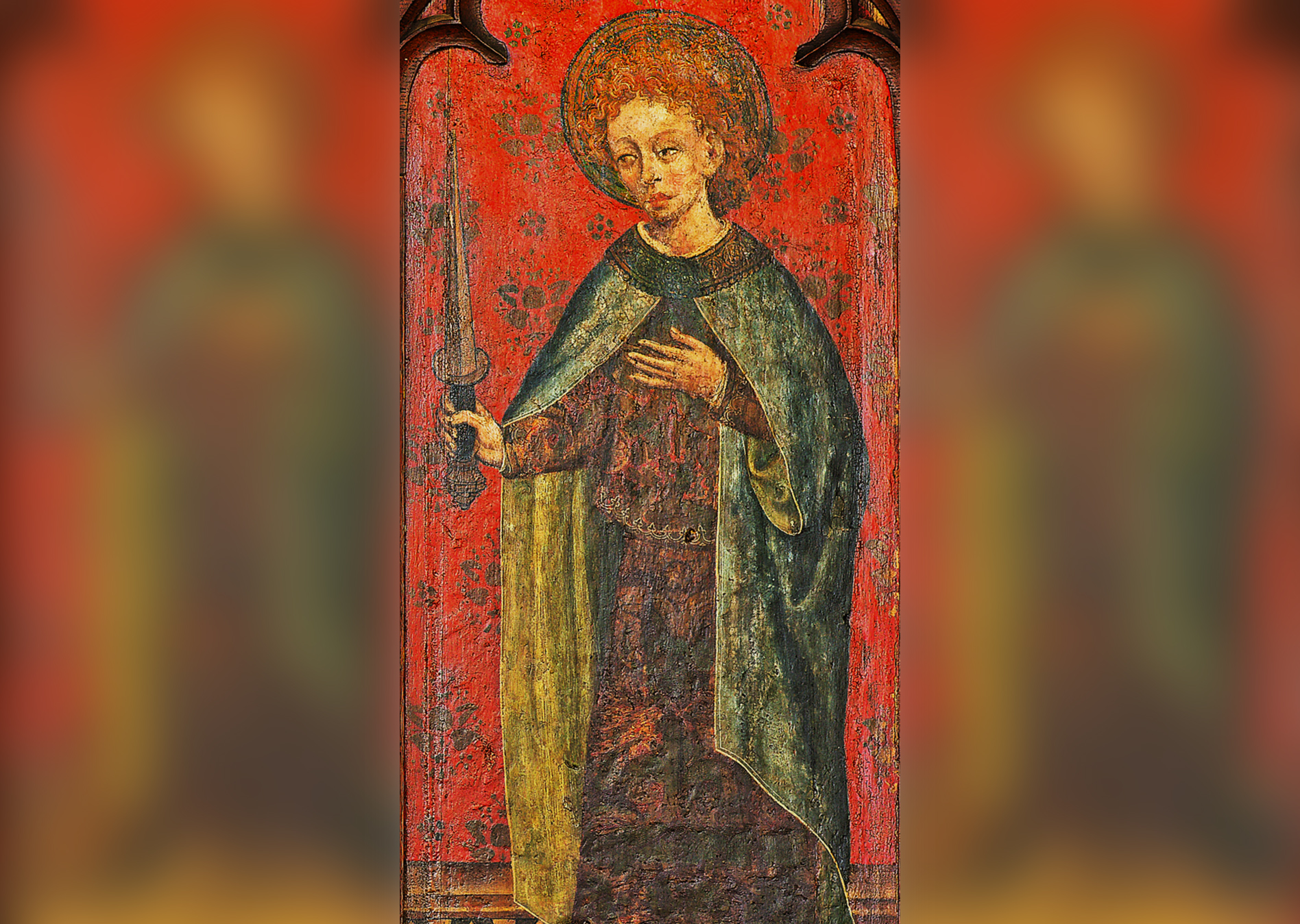
It began with a single lie in medieval England, one that would echo across continents and centuries.
In 1144, a young boy’s death in the city of Norwich sparked one of history’s most dangerous false accusations: the claim that Jews murdered Christian children for ritual purposes. This lie became the template for future conspiracies, from medieval massacres to modern online hate.
What Happened
In 1144, before Easter, the body of a boy named William of Norwich was found in the woods outside the city. There was no evidence of who killed him, but within days, rumors spread that local Jews had “murdered him in mockery of the crucifixion.”
Years later, a monk named Thomas of Monmouth wrote The Life and Miracles of St. William of Norwich, a sensational account claiming Jews had kidnapped and crucified William as part of a secret ritual. It was pure invention, but it spread quickly through England and beyond, giving birth to a deadly myth.
Why It Mattered
This became the first recorded “blood libel” in Europe, the false claim that Jews use Christian blood for ritual or religious purposes.
The accusation was entirely incompatible with Jewish law, which strictly forbids the consumption or handling of blood, even from animals.
But logic didn’t matter. The story provided an emotional narrative that could justify hatred, violence, and exclusion. Once the idea took root, it was nearly impossible to kill.
The Ripple Effect
The Norwich lie became a template. Similar accusations erupted across Europe whenever tensions rose or leaders needed a scapegoat,
- Trent (1475): Jews were accused of killing a child named Simon; dozens were executed.
- Damascus (1840): Local Jews were tortured until they “confessed” to murdering a monk, under European pressure, they were later freed.
- Nazi Germany: Propaganda revived the same imagery: blood, innocence, and the “evil Jew” to stoke genocide.
- Modern echoes: In parts of the Middle East and online spaces, the blood libel reappears in new language, often mixed with modern conspiracies about “ritual control” or “child trafficking.”
The Pattern Behind the Lie
Every version of this story follows the same formula:
- A tragedy or mystery occurs.
- Jews are blamed without evidence.
- Authorities or clergy amplify it for political or religious gain.
- Violence follows.
The details change, the logic doesn’t.
Why It Still Matters
The Norwich blood libel wasn’t just a medieval myth. It was the prototype for centuries of fabricated accusations, the seed of the “hidden cabal” narratives that persist today.
Claims about Jews “controlling” media, money, or politics; rumors of “secret societies” harming children, all descend from that same false logic: that Jews operate in secret, against the rest of society.
Understanding Norwich, 1144, is how we understand how lies evolve, and how they still travel.
Conclusion
One false accusation turned grief into hatred — and rumor into weaponry.
From a boy’s death in Norwich to internet conspiracies today, the story hasn’t really changed. Only the language has.
Recognizing that pattern is how we stop history from repeating itself.